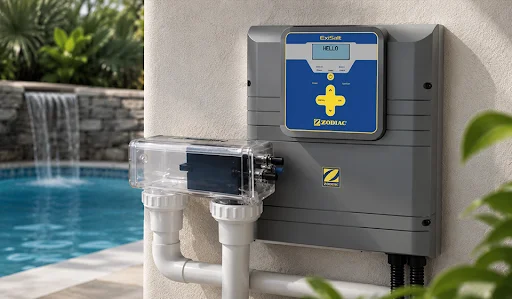
A Saltwater Chlorinator Improve Swimming pool should be a place to relax, exercise, and enjoy quality time without worrying about harsh chemicals or uncomfortable water. Traditional chlorination methods can sometimes result in strong chlorine smells, dry skin, or irritated eyes when water chemistry is not properly balanced. A salt water pool chlorinator offers an alternative by producing chlorine gradually, helping maintain cleaner and more consistent water. With the right system and regular maintenance, pool owners can enjoy a more pleasant swimming experience while simplifying everyday pool care.
What Is a Salt Water Chlorinator?
A Saltwater Chlorinator Improve Swimming chlorinator is a system that converts dissolved salt into chlorine through a process called electrolysis. Rather than manually adding chlorine to the pool regularly, the chlorinator continuously generates the amount needed to sanitise the water.
This steady production helps keep bacteria and algae under control while maintaining balanced water quality. Although chlorine is still present, it is produced more consistently, creating a swimming environment that many people find gentler and more enjoyable.
The Role of a Salt Water Chlorinator in a More Comfortable Swim
Creates a Softer Feeling Water
Many swimmers notice that salt water pools feel smoother and softer compared to traditionally chlorinated pools. The balanced salt content gives the water a silky feel, making swimming pool chlorinator,more comfortable for people of all ages.
Reduces Eye and Skin Irritation
Large fluctuations in chlorine levels can contribute to red eyes and dry skin. Because a salt water chlorinator continuously produces chlorine, sanitiser levels remain more stable, helping reduce irritation while keeping the water clean.
Minimises Strong Chlorine Odours
A strong chlorine smell is often associated with poorly balanced pool water rather than chlorine itself. Salt water chlorinators help maintain consistent sanitisation, reducing the unpleasant odours that can sometimes develop in heavily treated pools.
Provides More Consistent Water Quality
Consistent water quality is one of the biggest advantages of a salt water chlorinator. Continuous chlorine production helps maintain healthier water conditions, reducing sudden changes that may affect both swimmer comfort and pool cleanliness.
Makes Pool Maintenance Simpler
A salt water chlorinator automates one of the most important aspects of pool maintenance by generating chlorine as needed. This reduces the need for frequent manual dosing while helping maintain reliable sanitisation throughout the swimming season.
Tips for Getting the Best Performance from a Salt Water Chlorinator
Getting the most from a Saltwater Chlorinator Improve Swimming chlorinator requires regular care. While these systems simplify maintenance, routine inspections and simple servicing tasks help keep the equipment operating efficiently throughout the year.
- Maintain the recommended salt level: Check salt levels regularly and keep them within the manufacturer’s recommended range to ensure efficient chlorine production and consistent water quality.
- Clean the chlorinator cell regularly: Mineral deposits can build up over time and reduce performance. Cleaning the cell as recommended helps maintain efficient operation and extends its lifespan.
- Test water chemistry consistently: Monitor chlorine, pH, alkalinity, and other key water levels to maintain balanced water and support effective sanitisation.
- Inspect the filtration system: A clean and properly functioning filter works alongside the chlorinator to remove debris and improve overall water clarity.
- Schedule routine equipment servicing: Periodic professional inspections can identify minor issues before they become costly repairs, helping maintain reliable system performance for years to come.
How Proper Installation Improves Chlorinator Performance
Choosing the right salt water chlorinator is only part of creating a comfortable swimming environment. Proper installation ensures the system operates efficiently, maintains consistent chlorine production, and supports balanced water quality over the long term.
Working with an experienced pool builder in Geelong can help ensure the chlorinator is correctly sized, professionally installed, and integrated with the pool’s circulation system. Expert installation reduces the risk of operational issues, improves equipment efficiency, and helps create a cleaner, more comfortable swimming experience from the very beginning.
Conclusion
A saltwater chlorinator offers far more than automatic chlorine production. It contributes to softer-feeling water, reduces common swimming discomforts, supports consistent water quality, and simplifies routine pool maintenance. When properly maintained, it provides a reliable and comfortable swimming environment that can be enjoyed throughout the year. Investing in the right chlorination system is an effective way to improve both pool care and the overall swimming experience.
Frequently Asked Questions
How does a salt water chlorinator produce chlorine?
A salt water chlorinator converts dissolved salt into chlorine using electrolysis, providing continuous sanitisation without frequent manual chlorine additions.
Is a salt water pool gentler on the skin?
Many swimmers find salt water pools more comfortable because the water often feels softer and maintains more consistent chlorine levels.
How often should a salt water chlorinator cell be cleaned?
Cleaning frequency depends on water conditions, but regular inspections and cleaning according to the manufacturer’s recommendations help maintain efficient performance.
Can an existing swimming pool be converted to a salt water system?
Yes. Many existing pools can be fitted with a compatible salt water chlorinator by a qualified pool professional.
What happens if the salt level becomes too low?
Low salt levels reduce the chlorinator’s ability to generate chlorine, which can affect water quality and overall sanitisation.